- Wellworthy
- Posts
- Second look
Second look
A simple guide to what’s hiding in your produce.

Jake Heyen
April 09, 2026


The Brief
Welcome back, Wellworthy readers.
Some of the “healthiest” foods in your fridge also tend to carry more pesticide traces.
Every year, researchers look at which fruits and vegetables retain the most (and least) of these chemicals after washing.
The latest list is out, and there's one update worth knowing before your next grocery run.
Here’s what’s inside:
The unexpected addition in this year’s Dirty Dozen report
Coachella's desert 5K is back for another lap
FRESH THIS WEEK: ALO goes off-road, a natural alternative to GLP-1 injections, and red light therapy you can wrap around yourself
Here we go!
— Jake, Joana & Ash

The Breakdown
Every spring, researchers analyze 50,000 produce samples, washing and preparing them like everyday consumers, to see which fruits and vegetables carry the highest pesticide residue.
For the first time, PFAS — the same chemicals linked to nonstick cookware and tap water — showed up in pesticide form on produce staples like berries, spinach, peaches, and apples.
Why it matters
PFAS are often called “forever chemicals” because they don't break down easily, in the environment or in the body. Research on long-term exposure is still catching up, but findings link it to a range of health risks.
We asked Dr. Sotiria Everett, a registered dietitian and Clinical Assistant Professor at Stony Brook Medicine, what she recommends when shopping:
Consider organic. When your budget allows, prioritize organic for Dirty Dozen staples. For lower-risk conventional shopping, the Clean Fifteen is your guide: avocados, sweet corn, pineapple, papaya, and onions topped the list.
Wash smarter. Washing won't remove PFAS that have penetrated the flesh, but it still reduces residues. Soaking produce in a 1% baking soda solution for 12 to 15 minutes has been shown to remove up to 96% of surface residues.
If you have kids, pay closer attention. The American Academy of Pediatrics recommends prioritizing organic for high-residue items when possible. That said, never avoid fruits and vegetables simply because organic isn't available.
Diversify your plate. Aim for a variety of fruits, vegetables, and whole grains. High-fiber foods rich in antioxidants support a healthy gut and liver, both important for how the body processes built-up toxins.
The takeaway
The PFAS finding is worth knowing, but it doesn't change the fundamentals. You don’t need a perfectly “clean” grocery haul. Instead, focus on eating a varied diet, washing your produce regularly, and being more intentional where it counts.
Science proves creatine and electrolytes work better together
Presented by Create.
If you’re training hard, you’re probably already taking creatine. But that’s only half the work. Tough training depletes electrolytes, and without proper hydration, creatine can’t fully do its job.
Create’s new Creatine + Electrolytes tackles both in one formula.

It combines 5g of creatine monohydrate, a full electrolyte profile with sodium, potassium, and magnesium, and 1g of taurine for hydration and cognitive support.
And for serious athletes, it carries the NSF Certified for Sport certification and third-party testing, making Create the most trusted name in creatine.
For just this week, we teamed up with Create to give you 25% off their new Creatine + Electrolyte sachets.

Just Dropped
New products and drops spotted →
Wellness tech & self-care
Skateboarder Nyjah Huston launched Out There, a clean body care line. It’s aluminum-free, powered by odor-eating probiotic enzymes for up to 48 hours, and contains no parabens or phthalates. The debut launch will feature deodorant, coming in gender-neutral scents like Japanese Shiso and Bergamot Wood. Check it out.
Offseason, a new AI wellness platform, takes your wearable data, lifestyle, and goals to build your entire health routine around it, then executes it for you. The platform will start with your training (including your favorite studio classes and gym workouts), and eventually manage your nutrition, sleep, and supplements in the same place. Sign up for the beta.
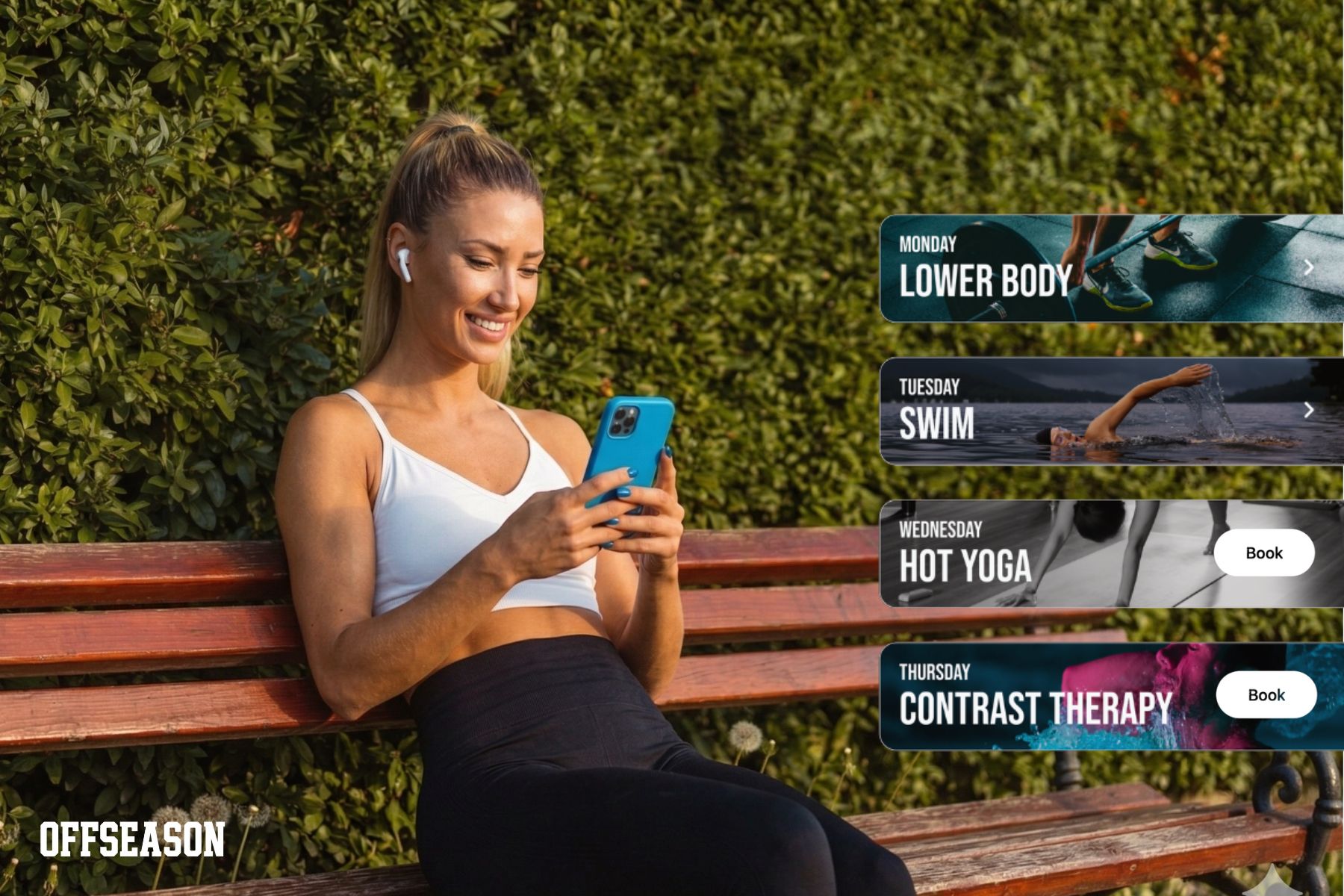
A first look at Offseason.
iRESTORE, known for its LED face and hair growth devices, moved into body recovery with the FLEX LED Belt. The wrap-around belt uses 315 LEDs across three wavelengths to target muscle recovery, circulation, and inflammation anywhere on the body. It takes just 10 to 30 minutes. Shop here.
Performance & style
French-born brand Kiprun just made its US debut with three shoes this week — a plush daily trainer, a race-day shoe, and a Vibram-soled ultra trail shoe. All backed by Decathlon's global R&D and priced at a decent level for this kind of shoe tech. Available now.
Gymshark dropped Interval, its new hybrid uniform for women. The seamless collection covers the full kit: bras with varying support, high-leg shorts, leggings, and a midi tank. Designed with flattering contours, bum scrunches, and flexible waistbands. Shop here.
ALO just entered new territory with its first outdoor shoe, The Trail. Built for actual terrain with a traction sole, water-resistant materials, and a high-rebound midsole, but still fashion-forward enough to wear to lunch after. Drops today.
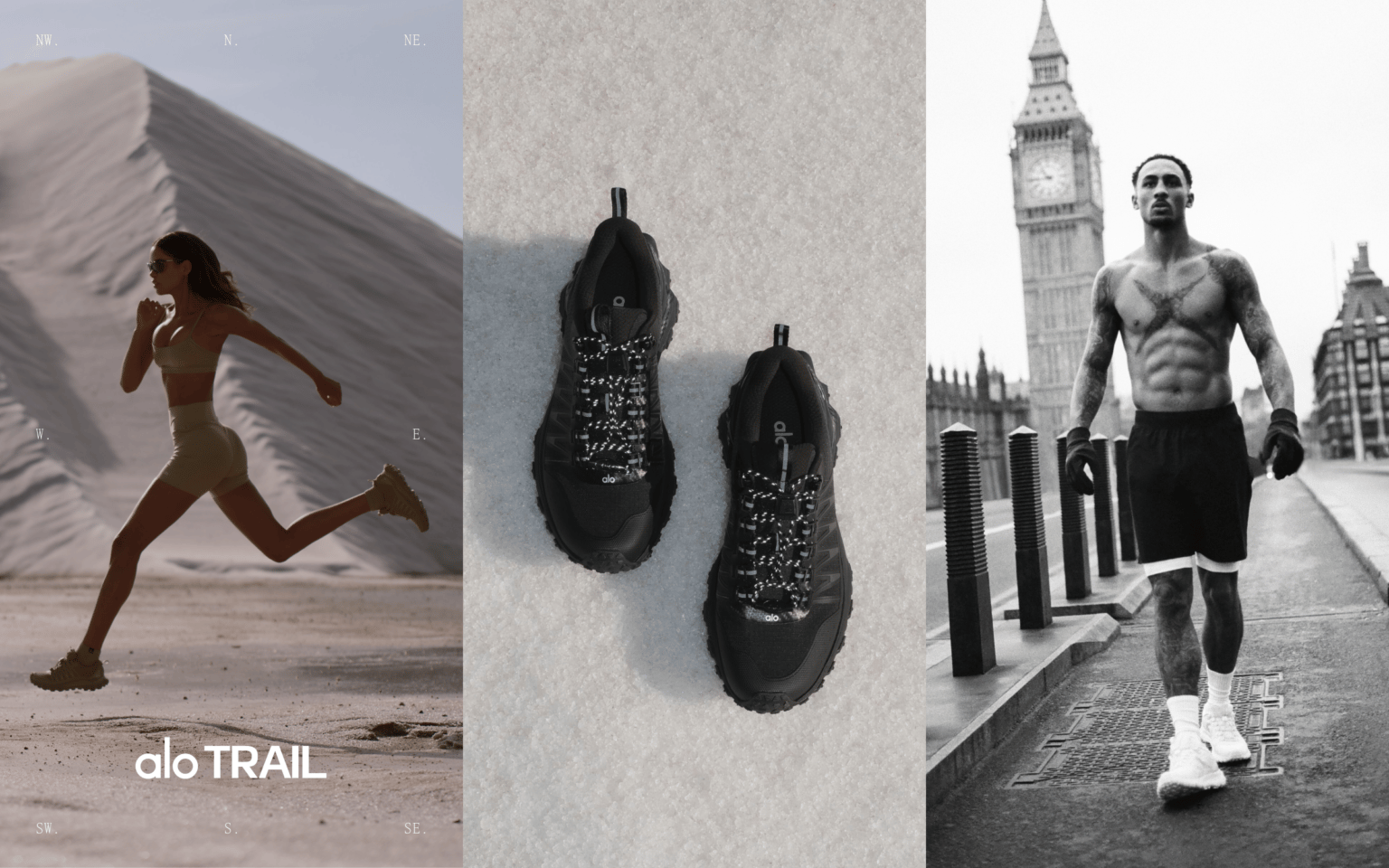
The ALO Trail, from salt flats to city streets.
R.A.D's newest shoe, the Synth, is a daily trainer that handles everything from easy miles to intense lifting sessions. It's intentionally neutral, meaning it works with your natural stride instead of overriding it. Unlike the max-cushion UFO, it's lighter and has a lower profile. Shop here.
Supplements & nutrition
The Absorption Company just launched WLP-1, a daily weight management supplement that supports your body’s natural GLP-1 production (the same hormone pathway behind drugs like Ozempic) without semaglutide. It also targets appetite control and calorie burn at rest. Learn more.
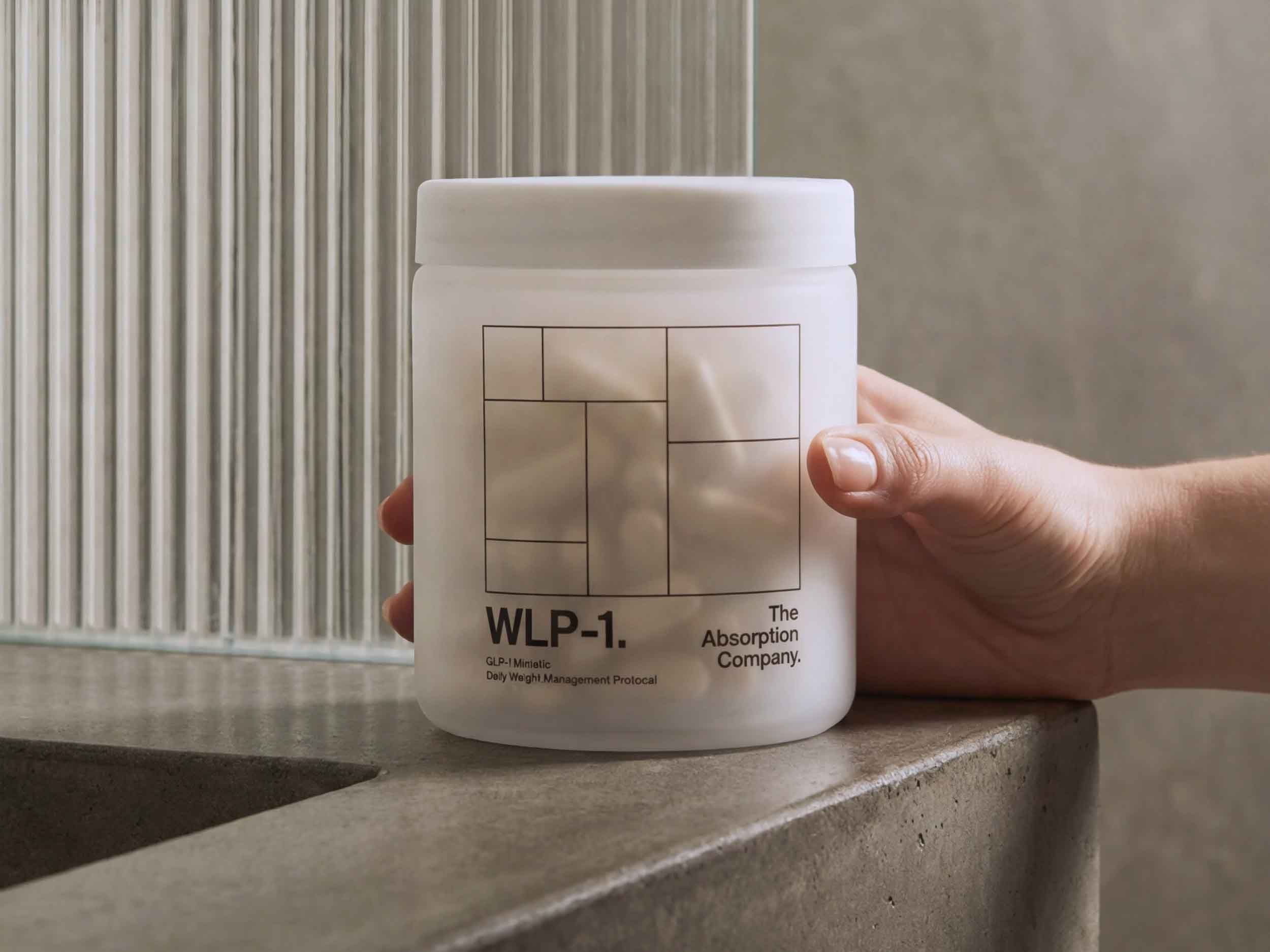
WLP-1 boosts GLP-1 production, curbing appetite and reducing cravings.
Folly dropped a pill-strength hair gummy, using pharmaceutical-grade microencapsulation to pack 30+ clinically studied ingredients into a format that makes it easier to take consistently. The pitch is simple: most hair gummies are underdosed, and most pill protocols get abandoned. Try it here.
On Our Radar
What's moving in wellness this week →
Coachella's campground 5K is running it back. Electrolit, the hydration drink brand born out of Mexico, is returning for year two, bringing its community 5K to the festival campgrounds both Saturdays at 9 a.m., no time clock. Festivalgoers, apparently, no longer want to (or have to) choose between a big weekend and wellness.

Electrolit returns as Coachella's official hydration sponsor for 2026.
The FDA just approved Eli Lilly's GLP-1 in pill form. Foundayo is the second oral GLP-1 to hit the market in just a few months, following Novo Nordisk's Wegovy pill in December. Unlike Wegovy's pill, which requires an empty stomach, Foundayo can be taken any time of day without meal restrictions. A small difference, but potentially a decent convenience edge.
Nike closed its boutique fitness studios. All Nike Studios locations shut down on March 27, ending a three-year experiment in in-person group fitness. Some locations will reopen under other FitLab brands. So what will it take for this legacy fitness brand to crack the studio space? According to the brand, they’re not walking away from fitness. We'll be watching what they do next.

A quick note: Wellworthy is written by health journalists and editors, not doctors. The information we share is meant to inform and inspire, not replace professional medical advice. Before making any changes to your health routine, please consult with your healthcare provider.
Tell us what you thinkHow best would you describe this edition of Wellworthy? |
P.S. Hit reply to share your thoughts and feedback on this newsletter — we read every response.