- Wellworthy
- Posts
- Upside down
Upside down
A new frame for familiar advice.

Jake Heyen
January 15, 2026


The Brief
Welcome back, Wellworthy readers.
Remember the food pyramid? Well, it’s looking a little different these days.
Last week, new US dietary guidelines dropped, making some common-sense updates and a few head-scratchers.
Today, we’re breaking it down so you know what’s legit, what’s debatable, and what you can ignore.
Here’s what’s inside:
How nutrition advice has shifted over time
What ZOE's Head Nutritionist says about eating more red meat
Plus: Nike's brain-boosting footwear, longevity coffee, and the dating app for gym-goers
Here we go!
— Jake, Joana & Ash

The Breakdown
The new Dietary Guidelines are the first major overhaul in decades.
The message was clear: eat real food. Even the visual got a refresh: an inverted pyramid with protein, dairy, and healthy fats up top, with whole grains at the base.
Wins
Moving away from obsessing over individual nutrients is long overdue.
ZOE’s Head Nutritionist, Dr. Federica Amati, says the shift "reinforces eating mostly minimally processed foods, reducing refined carbs and added sugars, and prioritizing fiber and gut health."
Protein also got a major bump.
The new recommendation calls for 1.2–1.6 grams per kilogram of body weight, up from 0.8g. The increase puts more emphasis on muscle maintenance, recovery, and longevity, not just getting by.
Concerns
Red meat and full-fat dairy products sit at the top of the pyramid, making it look like they should dominate your plate.
That’s where things get tricky.
Decades of research link high saturated fat intake, especially from red meat, to higher cholesterol and heart disease. The guidelines also encourage animal protein, while dialing back plant proteins like beans, peas, and legumes.
"Processed meats and dairy are not risk-free," Dr. Amati says. "Portion size and frequency still matter, especially for heart health."
The alcohol guidance got fuzzier, too.
Guidance changed from "one to two drinks max" to a vague "consume less," which doesn't fully reflect evidence on alcohol and disease risk. "The evidence linking alcohol to increased cancer risk and poorer long-term health is strong, with no clear safe threshold," Amati adds.
The takeaway
The guidelines got a lot right: calling out ultra-processed foods, raising protein targets, and prioritizing gut health. But the framing still clashes with the science in key areas. Progress, with trade-offs.
The overlooked science of waking up with energy
Presented by Zest Labs.
If you're struggling with your sleep schedule or waking up tired even after 8 hours of sleep, you're not alone. When your alarm goes off and getting out of bed without snoozing feels impossible, the first part of your day can disappear into fog. That isn't a motivation problem.
It’s sleep inertia – the groggy, low-alertness state that can linger for 90 minutes, and in some people, even several hours after waking.
Zest was built specifically to target that morning grogginess. Unlike coffee or energy drinks which take 30 minutes to kick in after you’re already awake, Zest is a clinically validated, timed-release caffeine supplement designed to activate as you’re waking up and help reinforce your body’s natural wake-up signal over time. You take it before bed, and its patented delayed-release system keeps caffeine sealed overnight, releasing it in the morning right as your sleep cycle ends.

The result is smoother alertness and energy from the moment you wake, without the spike-and-crash cycle of traditional caffeine.
Developed with sleep scientists and Swiss pharmaceutical experts using pharmaceutical-grade technology, Zest changes the conversation from how to fall asleep to how to wake up well – helping parents, athletes, founders, and early risers start their day clear-headed and on.

Just Dropped
New products and drops spotted →
Fitness & wellness tech
Nike built its first neuroscience-informed footwear line with the Mind 001 mule and Mind 002 sneaker. Forget cushioning or bounce, these feature 22 independent foam nodes per shoe that compress like pistons, activating sensory receptors to ground your attention. See the collection.
Gary Brecka launched The Ultimate Snooze, an organic mattress that skips chemicals like synthetic flame retardants entirely. Built-in tracking pocket preps for the upcoming SnoozeSense™ sensor, the first health tracker built for a mattress. View models.
adidas released the Dropset 4 for workouts that don’t have a lane. Full-length Repetitor foam and Energyrods let you deadlift heavy, then sprint without needing to swap shoes. Already battle-tested: elite athlete Laura Horvath wore them to victory in Aberdeen this October. Shop now.

One shoe for your entire workout.
OMORPHO launched the MicroLoad G-Tight, a 1-lb weighted legging that turned ankle weights wearable. Weight sits along your lower leg, away from joints, making every workout harder without the bulk. Add to cart.
Supplements & nutrition
Cymbiotika cracked liquid creatine with Advanced Creatine. Each packet delivers 5g of creatine monohydrate you can tear and drink, using Cymbiotika's delivery tech for better absorption without the bloat. Tangerine-vanilla, no mixing required. Get it.
Vivi Labs spent 16 months embedding longevity science into coffee. Vivi delivers over 400mg of NAD+ precursors per cup using 100% organic Arabica beans. Now, you can feel even better about the one habit you won't skip. Try it.

Coffee with NAD+ support and collagen.
Midday Squares launched No Bread PB&J, a snack that delivers classic peanut butter and jelly without the bread. 6g protein, 4g fiber, 130 calories per square, and all of the nostalgia. Oh, and it's plant-based and gluten-free. Try it.
OoMee puts matcha in a can with Seabiotics™ red seaweed to curb cravings between meals. 60mg caffeine for focus, 20 calories, zero sugar, and fruit-forward flavors like Passionfruit Yuzu. Shop here.
Preventative care & recovery
Eli Health, known for its cortisol saliva swabs, is expanding with Testosterone and Progesterone Hormometers. The at-home tests track hormones that affect energy, recovery, and mood. They deliver results in 20 minutes with over 90% accuracy against lab standards. Pre-order here.
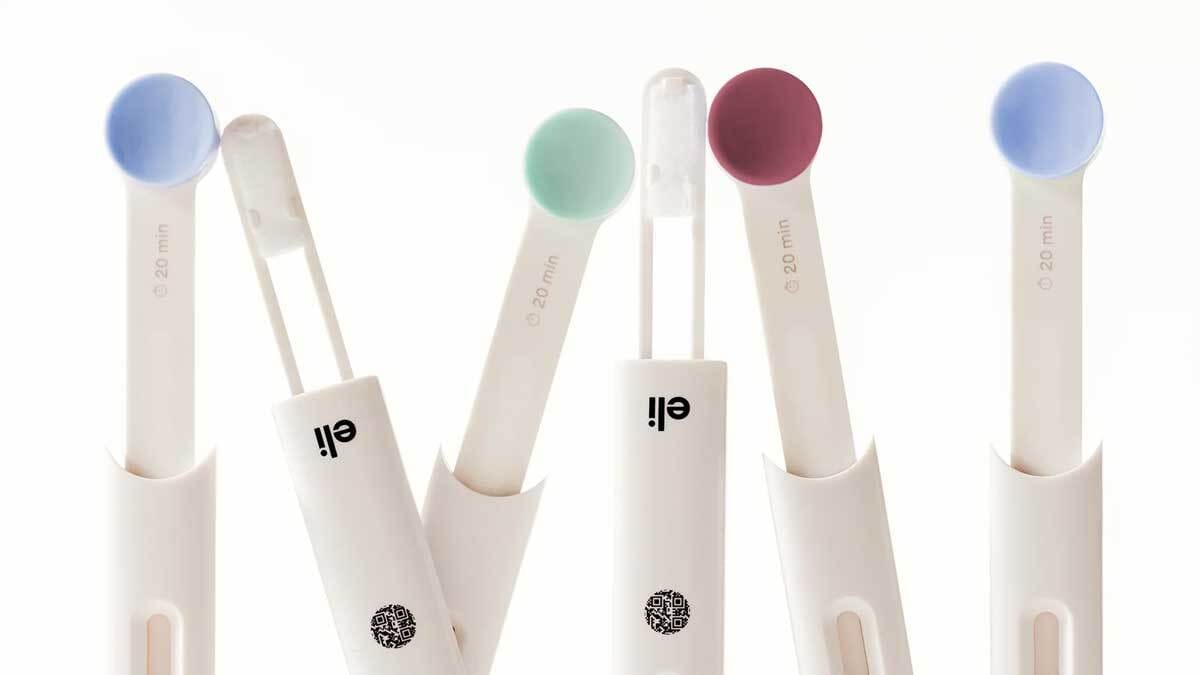
Eli Health’s saliva-based hormone tests.
NIMA Partners rebuilt its Gluten Sensor to detect wheat, barley, and rye with 99% accuracy down to 10 ppm. The device uses single-use capsules that test food in minutes, then syncs to an app tracking your safe-food history. Order now.
HigherDOSE cracked the red light adherence problem with a Red Light Showerhead Filter that stacks therapy into a ritual you're already doing. Dual-wavelength red and near-infrared light hits your skin, while a 10-stage water filtration strips chlorine and metals. Get it.
On Our Radar
What's moving in wellness this week →
Prevention with another tech glow-up. Neko Health is opening its first U.S. location in NYC this spring. The heart of Neko’s offering is a 60-minute full-body scan that reads millions of data points throughout your body. Suddenly, checking in on your health before symptoms show up may not be so extreme.

Neko Health’s full-body health scans.
Fitness communities are getting dating lanes. Surf Dating partnered with HYROX, the fitness racing league, so you can now filter for people who actually get why you're up at 5 a.m. training.
Bathhouses, but better. The new Recess Thermal Station in Montreal, with Aesop as an integrated product partner, doesn’t look like your neighborhood spa. Think coliseum-style saunas, blue-lit cold plunges, and 75-minute circuits that are much more than a quick steam. Now, we’re seeing wellness spaces getting waitlists and architectural write-ups.

A quick note: This newsletter is provided for educational and informational purposes only and does not constitute providing medical advice or professional services. Before making any changes to your health routine, please consult your healthcare provider.
Tell us what you thinkHow best would you describe this edition of Wellworthy? |
P.S. Hit reply to share your thoughts and feedback on this newsletter — we read every response.